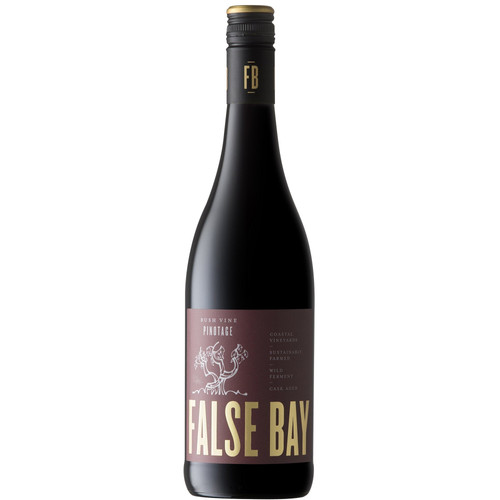
Tasting Notes
В аромате выраженные нотки темных ягод, черной смородины и вишни, с легким оттенком дуба. Насыщенный вкус, с бархатистой текстурой и гармоничным послевкусием, где преобладают нотки красных фруктов и специй.
Vineyards
Виноград с уникальных участков на холмах, где растет старый виноград, который придает вину особую глубину и сложность. Почвы песчаные с высоким содержанием минералов.
Production Method
Вино выдерживается в больших дубовых бочках (фудрах), что придаёт ему структуру и сложность.
Ручной сбор урожая, спонтанная ферментация с использованием диких дрожжей, без добавления других веществ, кроме серы как консерванта. После ферментации вино проходит короткую выдержку в дубовых бочках для улучшения аромата и текстуры.
Food Pairing
Прекрасно сочетается с мясными блюдами, включая жареное мясо, пасту с томатными соусами, а также с сырами средней зрелости.
Wine is not just a drink — it is a whole experience. Its taste is influenced by serving temperature, the glass, aeration, and even how you take your first sip.
The right serving temperature is one of the key factors. Red wines 14–18°C, white wines 8–12°C, sparkling wines 6–8°C.
The best choice is a tulip-shaped glass (350–450 ml) with a narrowed top. Always hold the glass by the stem to avoid warming the wine.
Helps open up aromas and flavours. Red wines — 15–40 min before serving, whites and sparkling wines are served immediately after opening.
Quick tip: gently swirl the wine in the glassFirst sip — small, spread the wine across your palate.
Second sip — assess the balance of sweetness and acidity, fruity and spicy notes.
Before sipping, inhale the wine aroma without swirling, then gently swirl and inhale again. Note fruity, spicy, floral and woody notes.
Reds — meat, pasta, cheese
Whites — fish, seafood, poultry
Sparkling — appetizers to desserts.