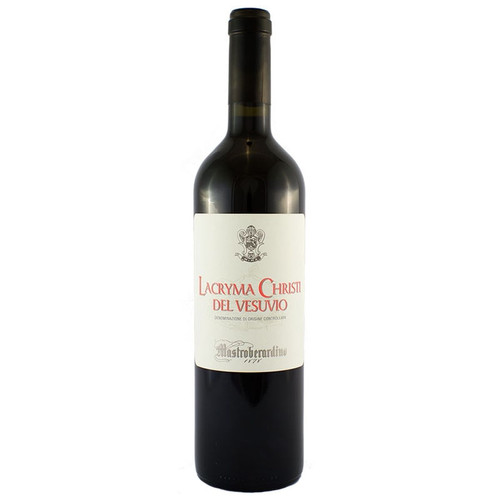
Tasting Notes
В аромате преобладают спелые красные ягоды, черешня и слива, дополненные нотами лакрицы, табака и легкой дымности. Во вкусе — мягкие и округлые танины, свежая кислотность и долгое послевкусие с минеральными оттенками.
Vineyards
Расположены на склонах вулкана Везувий, где почвы богаты вулканическим пеплом и минералами, что придает вину уникальный характер.
Production Method
Частично выдерживается в дубовых бочках для обогащения структуры и аромата, с последующим периодом в стальных емкостях для сохранения свежести.
Ручной сбор урожая, бережная ферментация при контролируемой температуре с мацерацией для извлечения насыщенных цветовых и вкусовых характеристик.
Food Pairing
Подходит к мясным рагу, дичи, пасте с насыщенными соусами, а также зрелым сырам. Температура подачи: 16–18°C.
Wine is not just a drink — it is a whole experience. Its taste is influenced by serving temperature, the glass, aeration, and even how you take your first sip.
The right serving temperature is one of the key factors. Red wines 14–18°C, white wines 8–12°C, sparkling wines 6–8°C.
The best choice is a tulip-shaped glass (350–450 ml) with a narrowed top. Always hold the glass by the stem to avoid warming the wine.
Helps open up aromas and flavours. Red wines — 15–40 min before serving, whites and sparkling wines are served immediately after opening.
Quick tip: gently swirl the wine in the glassFirst sip — small, spread the wine across your palate.
Second sip — assess the balance of sweetness and acidity, fruity and spicy notes.
Before sipping, inhale the wine aroma without swirling, then gently swirl and inhale again. Note fruity, spicy, floral and woody notes.
Reds — meat, pasta, cheese
Whites — fish, seafood, poultry
Sparkling — appetizers to desserts.