Tasting Notes
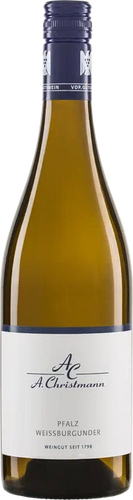
Аромат раскрывается нотами зеленого яблока, белого персика, груши и минеральных оттенков. Вкус легкий, с освежающей кислотностью, кремовой текстурой и продолжительным минеральным послевкусием.
Vineyards
Расположены на холмистых склонах региона Пфальц. Почвы богаты известняком и песчаником, что придает вину тонкую минеральность. Виноград выращивается с применением органических методов, что позволяет сохранить природный баланс лоз.
Production Method
Вино выдерживается исключительно в стальных резервуарах, чтобы подчеркнуть свежесть и натуральную кислотность.
Виноград собирается вручную и перерабатывается с минимальным вмешательством. Ферментация проходит при контролируемой температуре с использованием натуральных дрожжей.
Food Pairing
Отлично подходит к блюдам из рыбы, морепродуктам, легким салатам, мягким сырам и пасте с белыми соусами.
Wine is not just a drink — it is a whole experience. Its taste is influenced by serving temperature, the glass, aeration, and even how you take your first sip.
The right serving temperature is one of the key factors. Red wines 14–18°C, white wines 8–12°C, sparkling wines 6–8°C.
The best choice is a tulip-shaped glass (350–450 ml) with a narrowed top. Always hold the glass by the stem to avoid warming the wine.
Helps open up aromas and flavours. Red wines — 15–40 min before serving, whites and sparkling wines are served immediately after opening.
Quick tip: gently swirl the wine in the glassFirst sip — small, spread the wine across your palate.
Second sip — assess the balance of sweetness and acidity, fruity and spicy notes.
Before sipping, inhale the wine aroma without swirling, then gently swirl and inhale again. Note fruity, spicy, floral and woody notes.
Reds — meat, pasta, cheese
Whites — fish, seafood, poultry
Sparkling — appetizers to desserts.