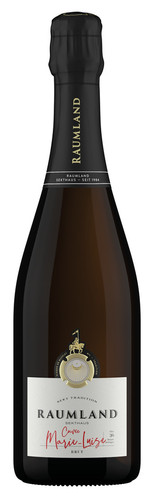
Tasting Notes
Аромат раскрывается нотами спелых яблок, айвы, миндаля, свежей выпечки и легкой минеральности. Вкус глубокий, с хрустящей кислотностью, сливочной текстурой и длительным минеральным послевкусием.
Vineyards
Расположены в регионе Рейнхессен с богатой известняковой почвой, которая придает вину минерализованность и изысканную структуру.
Production Method
Вино выдерживается на осадке в течение трех лет, что создает сложность ароматического и вкусового профиля.
Производится по традиционному методу шампанского, включающему вторичную ферментацию в бутылке и длительное выдерживание на осадке для формирования текстуры и вкуса.
Food Pairing
Идеально дополняет устрицы, морепродукты, паштеты, блюда на основе белой рыбы и мягкие сыры. Температура подачи: 8–10°C.
Wine is not just a drink — it is a whole experience. Its taste is influenced by serving temperature, the glass, aeration, and even how you take your first sip.
The right serving temperature is one of the key factors. Red wines 14–18°C, white wines 8–12°C, sparkling wines 6–8°C.
The best choice is a tulip-shaped glass (350–450 ml) with a narrowed top. Always hold the glass by the stem to avoid warming the wine.
Helps open up aromas and flavours. Red wines — 15–40 min before serving, whites and sparkling wines are served immediately after opening.
Quick tip: gently swirl the wine in the glassFirst sip — small, spread the wine across your palate.
Second sip — assess the balance of sweetness and acidity, fruity and spicy notes.
Before sipping, inhale the wine aroma without swirling, then gently swirl and inhale again. Note fruity, spicy, floral and woody notes.
Reds — meat, pasta, cheese
Whites — fish, seafood, poultry
Sparkling — appetizers to desserts.