
 Русский
 English
 Қазақша
How to get the most out of wine: tasting tips
Serving temperature, the glass, aeration and the first sip — how to let a wine show everything it has.
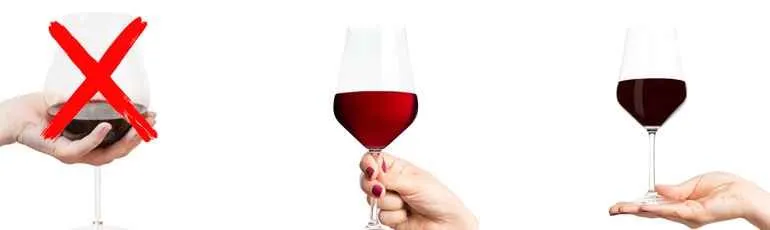
Wine is not just a drink but an experience. Everything affects the taste: serving temperature, the glass, aeration and even how you take the first sip.
Temperature and the glass
- Red wines: 14–18 °C
- White wines: 8–12 °C
- Sparkling: 6–8 °C
Hold the glass by the stem so your hand doesn’t warm the wine. A tulip-shaped glass (350–450 ml) that narrows at the top works best — it gathers the aromas.
Open still wines gently, without shaking. Open sparkling wine slowly, with a soft “sigh” rather than a pop.
Aeration: why wine needs to breathe
Red wines benefit from 15–40 minutes of air before serving; aged wines need more. Whites and sparkling are usually served straight away. A quick trick: gently swirl the wine in the glass.
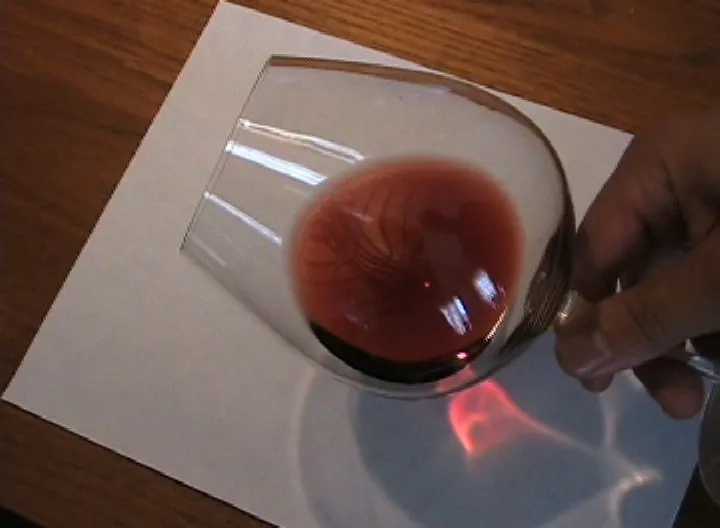
How old is the wine? Tilt the glass over a white napkin: a purple rim means a young wine, a brick-red one means it has some age.
Aroma
- First smell the wine without swirling and name what you notice.
- Then swirl and smell again — are there new notes?
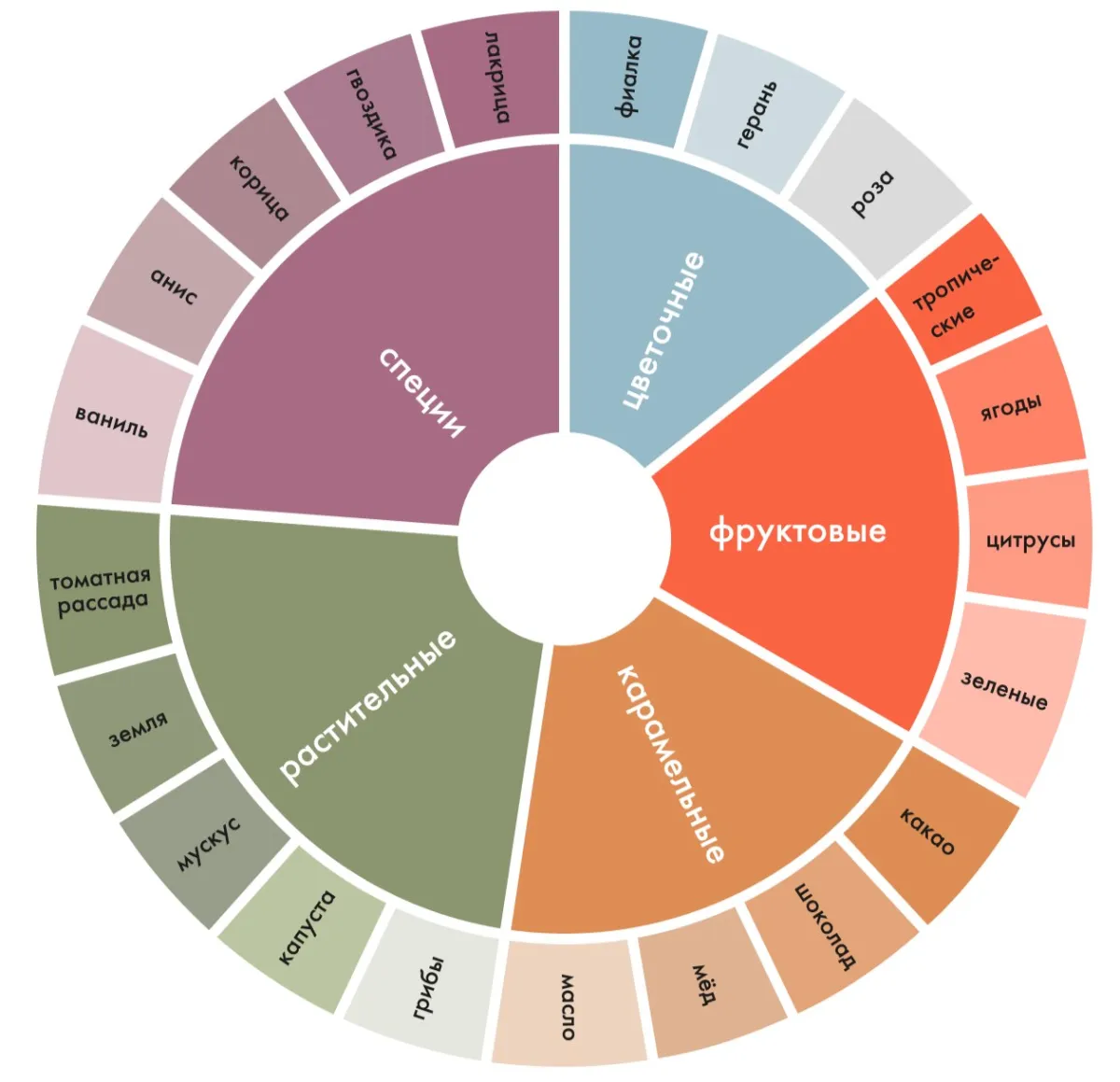
- Look for fruit, spice, flowers and wood.
Vanilla, citrus or cinnamon are not additives: these aromas come from the grape, soil, climate and ageing.
How to taste
- First sip — small: hold the wine in your mouth and spread it over your tongue. It’s a warm-up for your palate.
- Second sip — notice sweetness and acidity, fruit and spice, tannins (in reds) and the finish.
Wine and food
- Reds: meat, pasta, cheese, rich dishes
- Whites: fish, seafood, poultry, salads
- Sparkling: works with everything from snacks to dessert
The golden rule: the lighter the dish, the lighter the wine.
A sommelier’s tip
Taste mindfully: slow down, compare, experiment — and drink water between glasses. To learn more about grapes and producers, join our IWINE sommelier school or a wine tasting.


