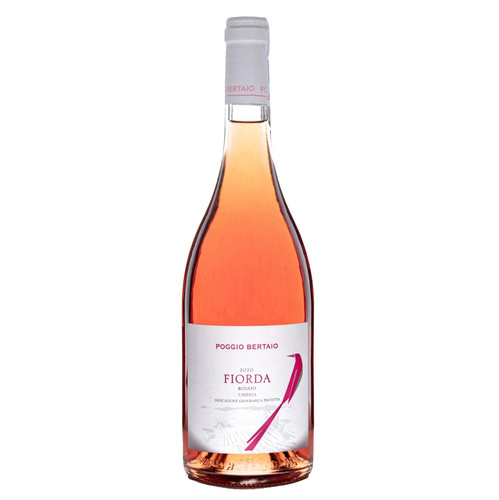
Rosé wine produced in the Umbria region. It is distinguished by freshness, fruity notes and light floral expressiveness.
Tasting Notes
The aroma reveals bright notes of red berries such as strawberries and raspberries, as well as light floral shades. The taste is lively, with refreshing acidity, and with a long finish.
Vineyards
The vineyards are located in the heart of the Umbria region. Here traditionally grown Cabernet Sauvignon, which gives wine rich fruity notes.
Production Method
The wine is not subjected to long aging, which allows you to preserve its freshness and fruity character.
Wine is produced using modern technology, with careful temperature control during fermentation, to maximize the aromas of grapes.
Food Pairing
Pairs well with fish, seafood, light snacks, as well as chicken meat and soft cheeses.
Wine is not just a drink — it is a whole experience. Its taste is influenced by serving temperature, the glass, aeration, and even how you take your first sip.
The right serving temperature is one of the key factors. Red wines 14–18°C, white wines 8–12°C, sparkling wines 6–8°C.
The best choice is a tulip-shaped glass (350–450 ml) with a narrowed top. Always hold the glass by the stem to avoid warming the wine.
Helps open up aromas and flavours. Red wines — 15–40 min before serving, whites and sparkling wines are served immediately after opening.
Quick tip: gently swirl the wine in the glassFirst sip — small, spread the wine across your palate.
Second sip — assess the balance of sweetness and acidity, fruity and spicy notes.
Before sipping, inhale the wine aroma without swirling, then gently swirl and inhale again. Note fruity, spicy, floral and woody notes.
Reds — meat, pasta, cheese
Whites — fish, seafood, poultry
Sparkling — appetizers to desserts.

 Русский
 English
 Қазақша


