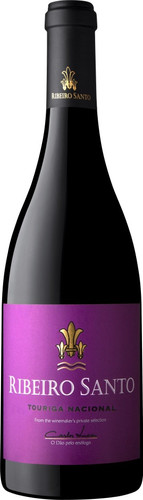
The red is full-bodied, with a pronounced structure and bright tannins.
Tasting Notes
The color is deep ruby-red with purple shades. The aroma is expressive, with notes of blackberries, black cherries, wild flowers and light spice. The taste is structured, with thin, well-integrated tannins. Long and fresh finish with good volume and persistence.
Vineyards
Vineyards are located in the Dau region (Portugal), on granite soils with large rocky outcrops. The altitude above sea level is 400-600 m. The climate is characterized by hot and dry summer and cold winter. Varieties are grown in old vineyards with careful management and minimal intervention.
Production Method
Age in new French oak barrels for 8 months, then additionally in a bottle before sale.
Hand-picking. Completely collapsed bunches. Prolonged maceration at low temperature before alcohol fermentation in steel vats using local yeast. Soft stirring of the wort for good extraction of color and aroma.
Food Pairing
It goes well with fried meat, risotto with mushrooms and soft cheeses. Serving temperature: 16–18 °C.
Wine is not just a drink — it is a whole experience. Its taste is influenced by serving temperature, the glass, aeration, and even how you take your first sip.
The right serving temperature is one of the key factors. Red wines 14–18°C, white wines 8–12°C, sparkling wines 6–8°C.
The best choice is a tulip-shaped glass (350–450 ml) with a narrowed top. Always hold the glass by the stem to avoid warming the wine.
Helps open up aromas and flavours. Red wines — 15–40 min before serving, whites and sparkling wines are served immediately after opening.
Quick tip: gently swirl the wine in the glassFirst sip — small, spread the wine across your palate.
Second sip — assess the balance of sweetness and acidity, fruity and spicy notes.
Before sipping, inhale the wine aroma without swirling, then gently swirl and inhale again. Note fruity, spicy, floral and woody notes.
Reds — meat, pasta, cheese
Whites — fish, seafood, poultry
Sparkling — appetizers to desserts.

 Русский
 English
 Қазақша


